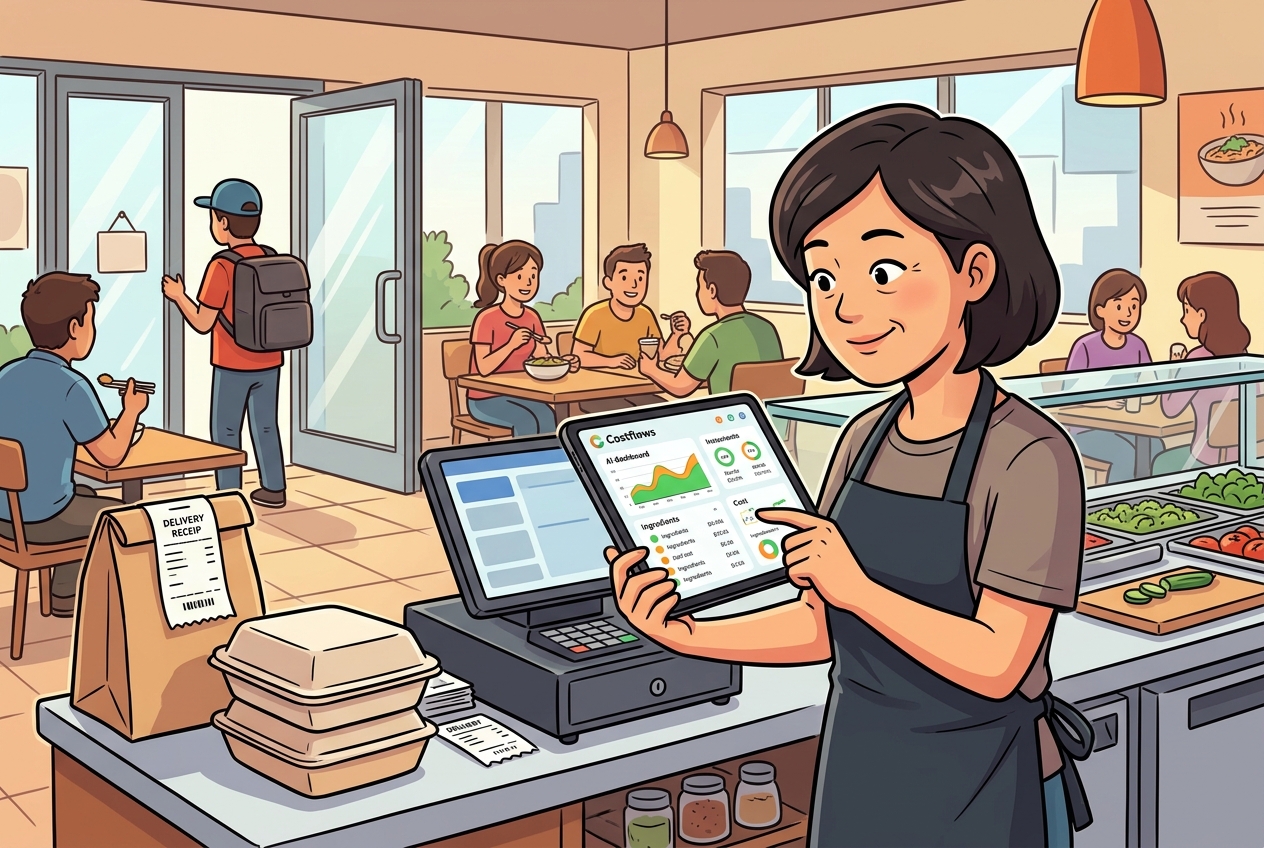
It’s 10:30 AM. The kitchen is screaming for stock. The floor manager is juggling a supplier on the phone while frantically scrolling through yesterday’s handwritten scraps and WhatsApp messages.
Did the fish arrive? Did the veg price change? Which branch does this invoice belong to? Will we even find the receipt for month-end reconciliation?
The real time-sink isn't the act of "buying things"—it’s the fact that procurement data is scattered across different people, chat groups, and paper trails. When we talk about Restaurant Procurement Platforms vs. Phone Ordering, it’s not just a debate about old vs. new technology. It’s about who can actually connect purchasing, inventory, costs, and profit into one clear picture.
The Phone Ordering Trap: Familiar but Fatal
Phone ordering is still the "norm" for many restaurants because it’s fast and familiar. If you’ve worked with a supplier for years, a quick call gets the job done.
But the reality is messy. Phone orders rely on human memory and manual entry. If the shop is busy, a buyer is on leave, or a supplier mishears a spec, the error ripples through your entire operation. By the time you realize the price was wrong or the stock didn't arrive, you’ve already wasted hours on "chasing" and "correcting." The true cost isn't the phone call—it's the labor spent fixing the mistakes it creates.
Why a Platform is More Than Just "Placing an Order"
A restaurant isn't just about getting goods through the door today; it’s about controlling food costs and reducing waste long-term.
- Phone Ordering: Low barrier to entry, but zero data. You lose track of price fluctuations, delivery history, and accountability.
- Procurement Platforms: These turn "ordering" into a standardized workflow. You see who ordered what, at what price, and whether the invoice actually matches what was delivered.
For management, this isn't about making things complicated—it’s about turning a chaotic process into a measurable, scalable standard.
Where Your Profit Disappears
Restaurant margins are rarely killed by one massive mistake. They are eaten away by small, daily "deviations."
- The "Close Enough" Error: A supplier sends the wrong spec (e.g., bone-in instead of boneless chicken) because of a miscommunication. The kitchen uses it to keep service moving, but your prep efficiency drops, waste increases, and your recipe margins are thrown out of whack.
- Month-End Nightmares: When records are split between WhatsApp and paper, your finance team spends days reconciling. You think you’re saving money by not paying for a system, but you’re actually paying a premium in manager and accountant hours.
Who Needs to Switch?
You don't always need a heavy system on day one, but a platform becomes essential if:
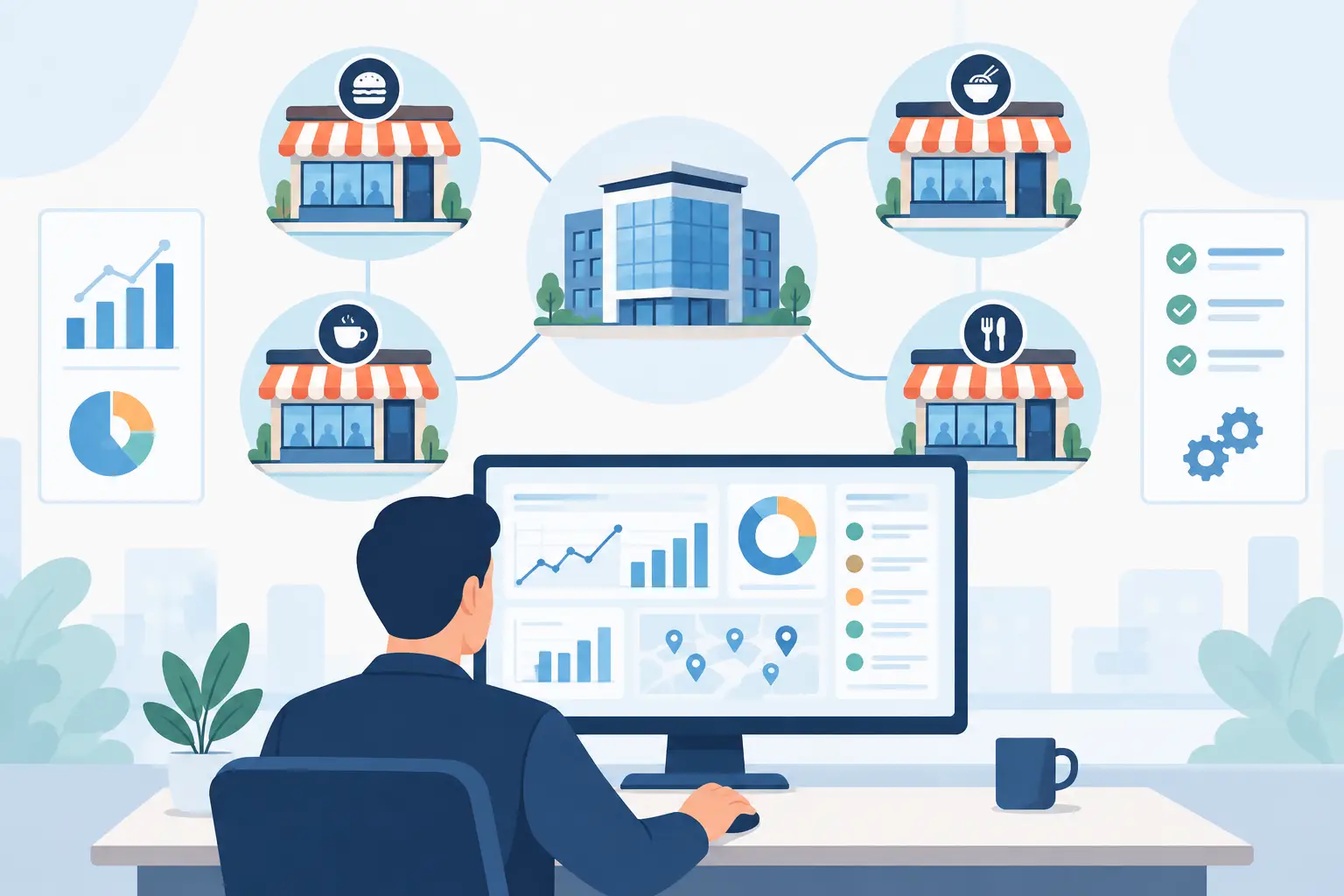
- You run multiple outlets: You need to ensure pricing is consistent and suppliers are performing across all locations.
- You have a central kitchen: Managing the chain from raw materials to store consumption requires real-time data.
- Your menu is complex: If ingredient prices fluctuate weekly, manual tracking will always leave you two steps behind your actual costs.
Not All Tools are Created Equal
Some tools just digitize your chat history. A truly valuable platform, like Costflows Intelligence, acts as your restaurant’s central hub. It needs to do three things:
- Sync everything: Connect orders, deliveries, and payments seamlessly.
- Automate data entry: Use AI to scan physical invoices and push that data directly into QuickBooks or Xero.
- Alert you to anomalies: The system should tell you when a price spikes or a delivery is short before you pay the bill.
The Bottom Line: Operational Discipline
Transitioning to a platform isn't just about changing an app; it's about changing how your team collaborates. When procurement is standardized, chefs stop chasing orders, managers stop digging through chats, and owners can finally see which ingredients are draining their bank accounts.
In the high-pressure world of catering, your procurement method is your first line of defense for your profit margins.
.png)

訂閱最新消息
不要錯過任何餐飲的資訊