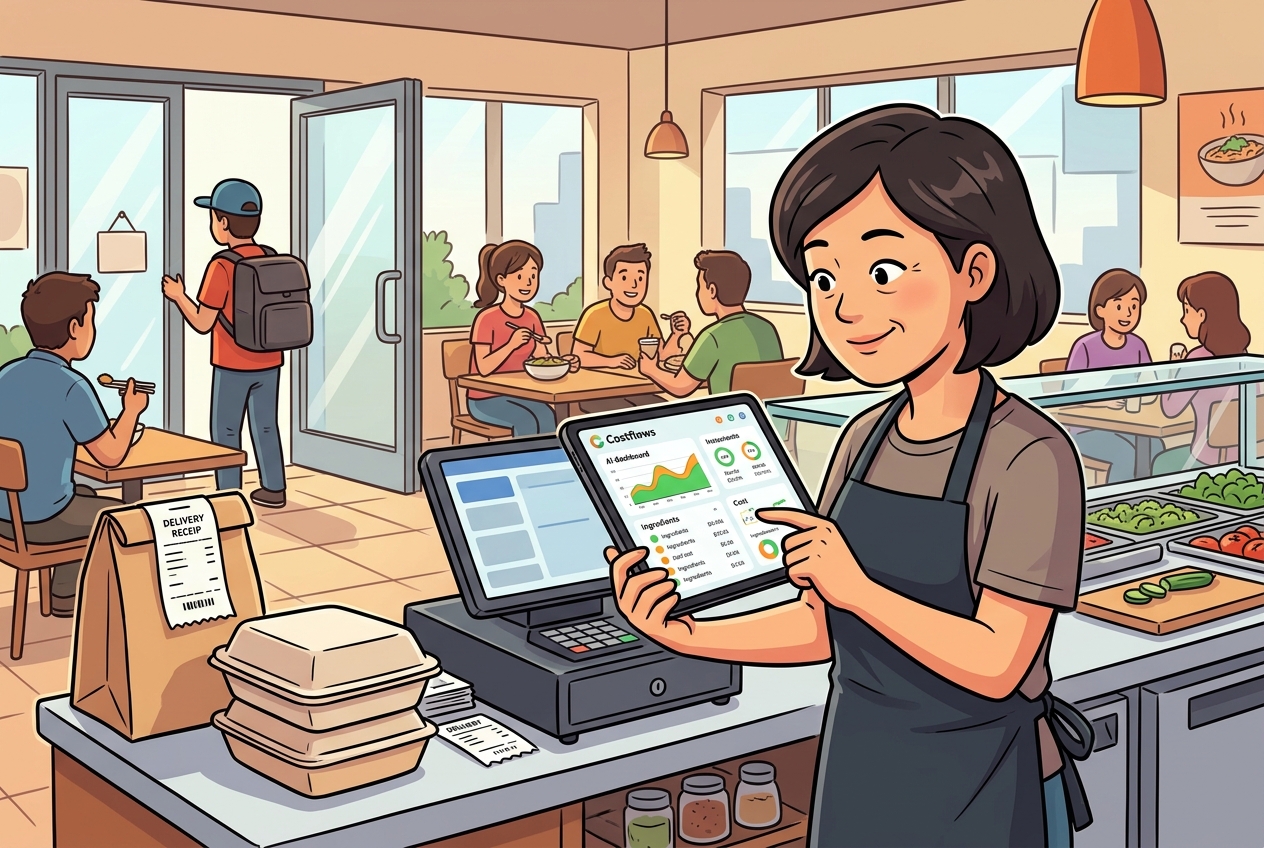
It’s the morning rush. The frozen goods have arrived, the fresh produce is being unloaded, and the dry goods are stacking up. While the kitchen is scrambling for prep and the front-of-house is prepping for opening, the manager is staring at dozens of unread WhatsApp messages from suppliers.
Many restaurant owners think they have a "staffing problem." In reality, the bottleneck is often a lack of a standardized, paperless inbound process. When procurement, receiving, and reconciliation operate in silos, the pressure inevitably explodes at the end of the month in the form of accounting chaos and unexplained profit leaks.
True "paperless" management isn't just about swapping paper for a digital file. To be effective, it must solve three core problems:
- Speed & Accuracy: Can you record deliveries quickly and correctly on the spot?
- System Integration: Does that data flow instantly into your inventory and cost systems?
- Actionable Insights: Can management track price fluctuations, wastage, and supplier performance in real-time?
Without these three pillars, "going digital" just means moving your mess from a piece of paper to a smartphone screen.
Fix the Process Before the System
Many restaurants rush to buy software the moment they decide to go paperless. The result? Total chaos. If your underlying workflow is broken, a new system will simply automate your mistakes.
A typical mess looks like this: Procurement orders via WhatsApp, the supplier brings a paper invoice, the receiver checks the quantity, the Head Chef mentions a spec error in passing, the manager takes a photo for the accountant, and the accountant manually types it into Excel. This isn't just slow; it’s a breeding ground for data loss and human error.
The first step isn't choosing a tool—it’s defining responsibility. Procurement owns the order, receiving owns the verification, accounting owns the reconciliation, and the manager monitors the exceptions. Once roles are clear, automation can do the heavy lifting.
The Blueprint for a Practical Inbound Workflow
A robust workflow breaks down into five stages: Order, Receive, Verify, Record, and Reconcile. The golden rule? Data should only be entered once.
1. Standardize the Source
If procurement is done through verbal chats or screenshots, you’ll always have discrepancies in item names or prices. By using a mobile ordering system with fixed suppliers and specs, receiving staff shift from "data entry" to "verification," which drastically reduces errors.
2. Verify on the Spot
Don't leave problems for the night shift. A paperless process ensures that quantity, specs, and unit prices are verified the moment the goods arrive. Capturing discrepancies immediately allows for instant follow-up with suppliers, rather than discovering a loss weeks later.
3. Automate Data Capture (The Real Time-Saver)
If you’re taking photos of invoices but still typing out the details, you’re just "digitally archiving." A professional solution—like Costflows—uses AI and OCR technology to automatically recognize items, quantities, and prices. This transforms invoices into structured data instantly, flagging price hikes before they eat your margin.
4. Real-Time Inventory Sync
"On-hand" inventory should update the moment a delivery is verified. Without this link, your data is always lagging, leading to over-ordering or sudden ingredient shortages.
Why Profit Doesn't Improve with "Basic" Paperless Systems
Many owners don't see a cost improvement because they only changed how they record data, not how they manage it.
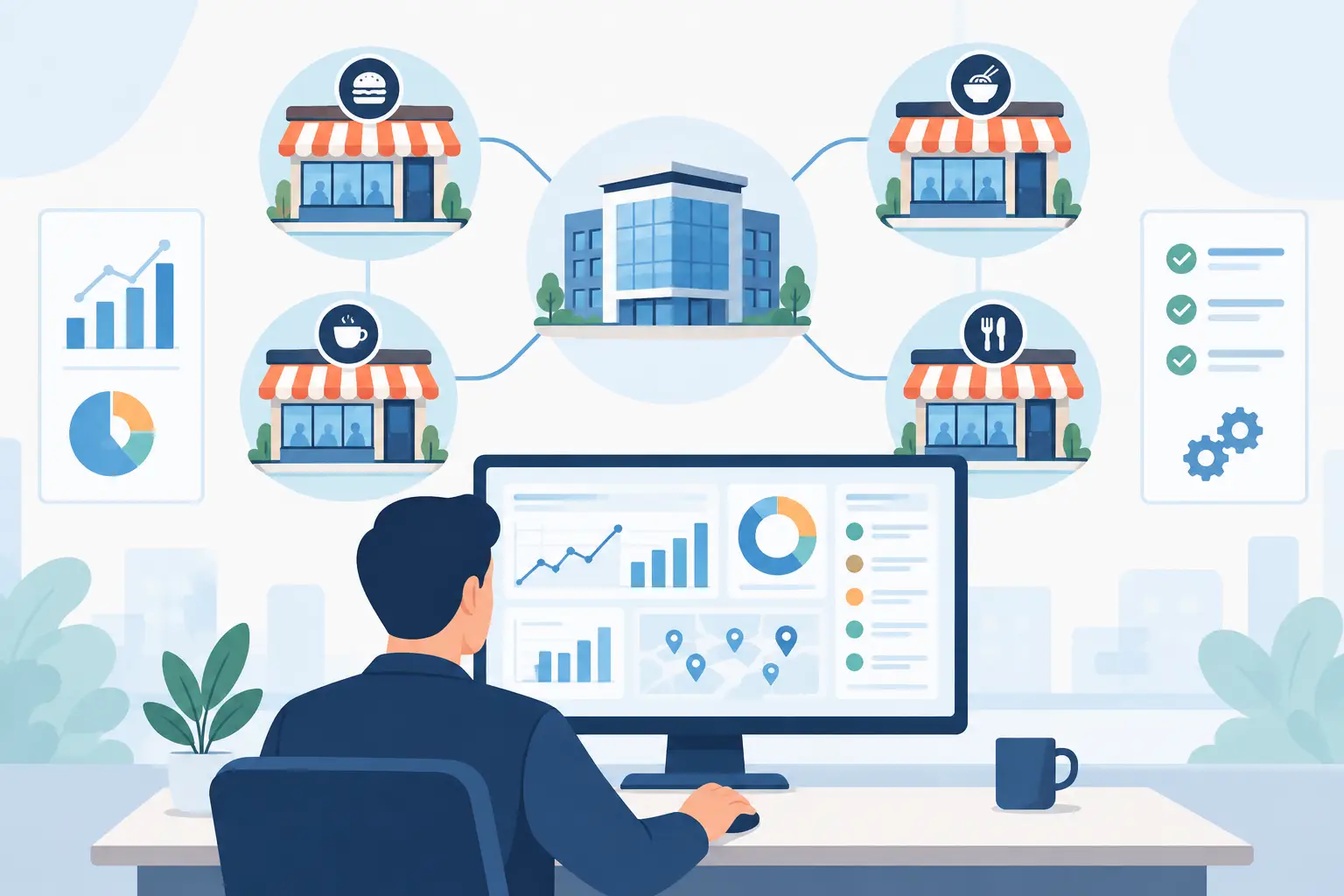
The real winners are those who use data to make decisions. Which supplier is raising prices the fastest? Which branch has the highest wastage? Costflows Intelligence turns chaotic data into clear financial health reports, ensuring that procurement, the kitchen, and finance are all speaking the same language.
Conclusion: Start with the Pain Points
Going paperless isn't about looking high-tech; it’s about making every cent traceable. Start with your most time-consuming tasks—data entry and receiving. Once your inbound process becomes a complete data chain, you aren't just improving efficiency—you are finally taking control of your profit margins.
.png)

訂閱最新消息
不要錯過任何餐飲的資訊