Running a kitchen is a high-pressure job. Between managing staff and keeping customers happy, the last thing restaurant owners want to deal with is a mountain of manual paperwork.
Many operators look for an "inventory app" to solve their cost problems, but basic inventory tracking only shows part of the picture. To protect your margins and scale your business, you need a system that connects all the dots.
Here are 5 essential features to look for when choosing a restaurant cost control system:
1. AI-Powered Invoice Scanning (No More Manual Entry)
Manually typing in supplier invoices is slow and prone to mistakes. A modern system should handle this work for you:
- Item-Level Extraction: The system should read individual line items and unit prices, not just the total invoice amount.
- Multilingual Support: With global supply chains and diverse teams, look for a tool that easily processes invoices in multiple languages, including English, Chinese, Japanese, and Thai.
2. Real-Time Vendor Price Tracking
Ingredient prices change constantly. If you don't catch these fluctuations early, they quietly eat away at your profits.
- Your software should track price history automatically and alert you when an ingredient's cost spikes.
- This data gives your purchasing team the leverage they need to negotiate or switch suppliers before margins take a hit.
3. Inventory and Waste Management
Inventory isn't just about counting boxes; it's about minimizing waste.
- A practical system helps you track what you actually use versus what gets thrown away.
- By comparing physical stock levels with your sales data, you can spot patterns of waste and standardize your portions.
4. Dynamic Recipe Costing and Margin Analysis
Pricing your menu shouldn't involve guesswork. Your plate costs need to reflect real-time ingredient prices.
- The system should link ingredient costs directly to your recipes.
- When supplier prices go up, your recipe costs should update automatically, letting you know exactly which dishes are still profitable and which need a price adjustment.
5. Seamless Accounting and POS Integration
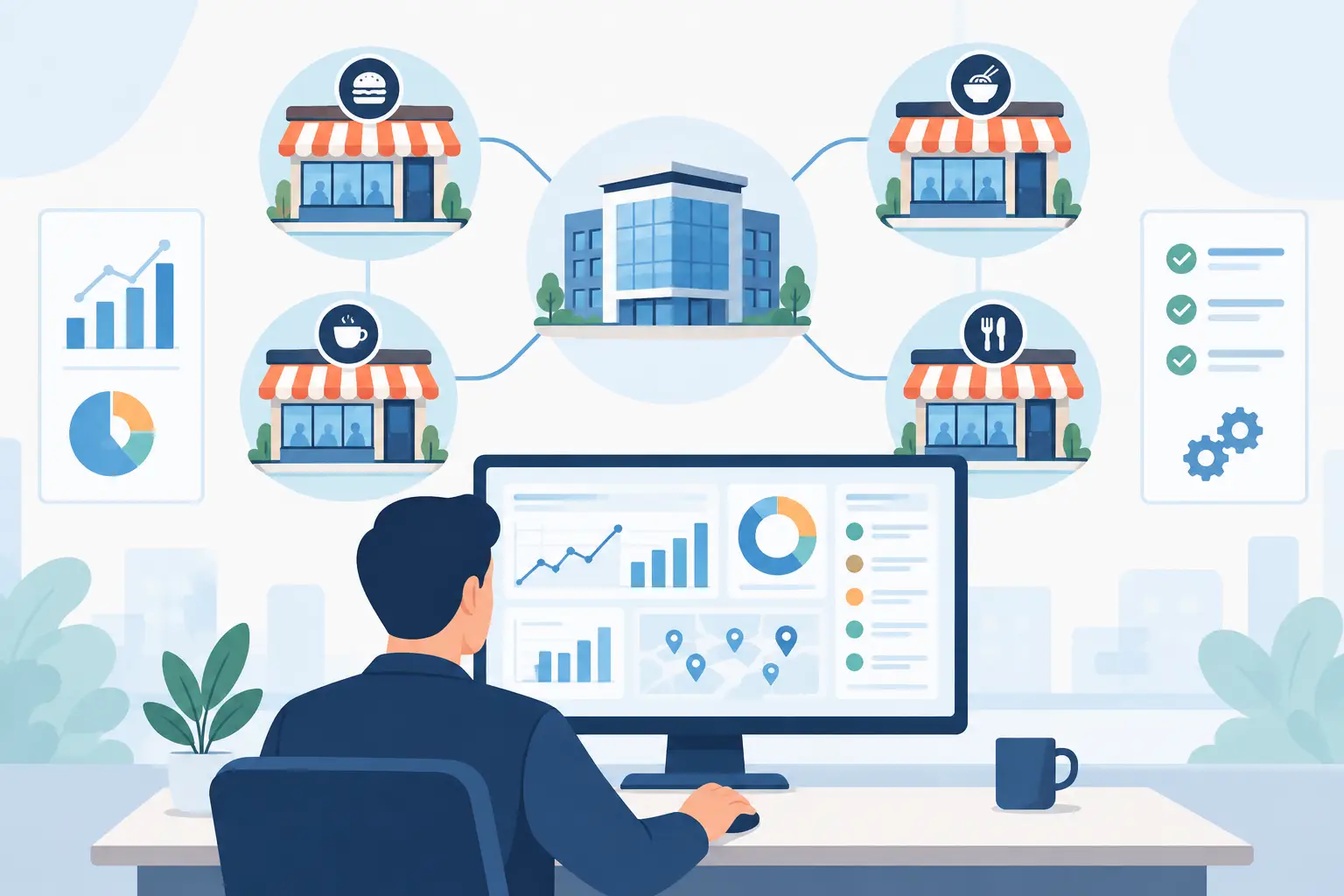
Data shouldn't live in a silo. A helpful cost control platform acts as your restaurant’s central hub:
- Accounting Sync: It should connect directly with platforms like QuickBooks and Xero to eliminate manual bookkeeping double-entry.
- Inter-departmental Flow: It smoothly links purchasing, the kitchen, and the finance team, turning raw data into clear, actionable financial reports.
The Bottom Line
Generic software rarely fits the unique, fast-paced demands of a kitchen. When shopping for a solution, look for a platform built specifically for food and beverage operations.
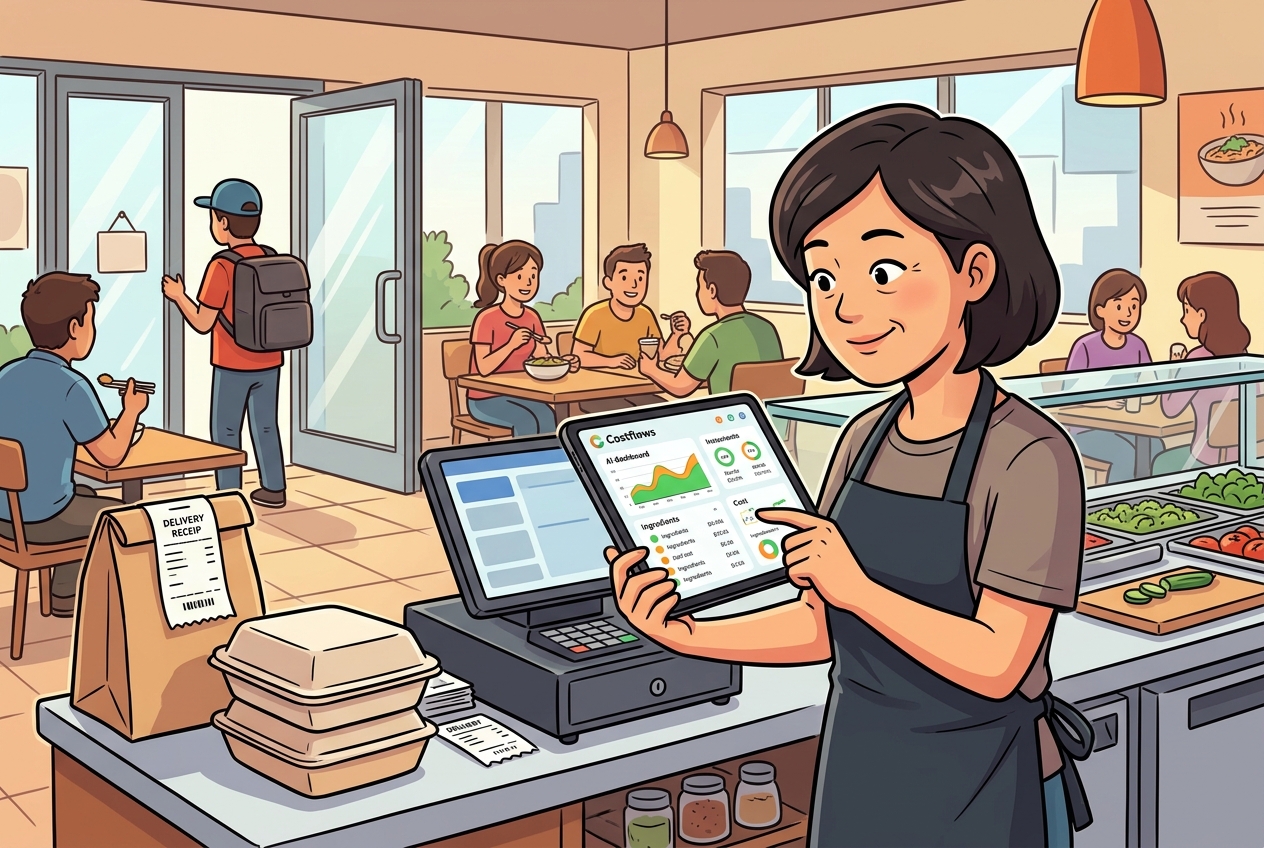
Solutions like Costflows Intelligence combine AI scanning, real-time inventory tracking, and direct accounting integrations to help restaurant owners manage costs right from their pockets—turning kitchen chaos into clear financial growth.
.png)

訂閱最新消息
不要錯過任何餐飲的資訊