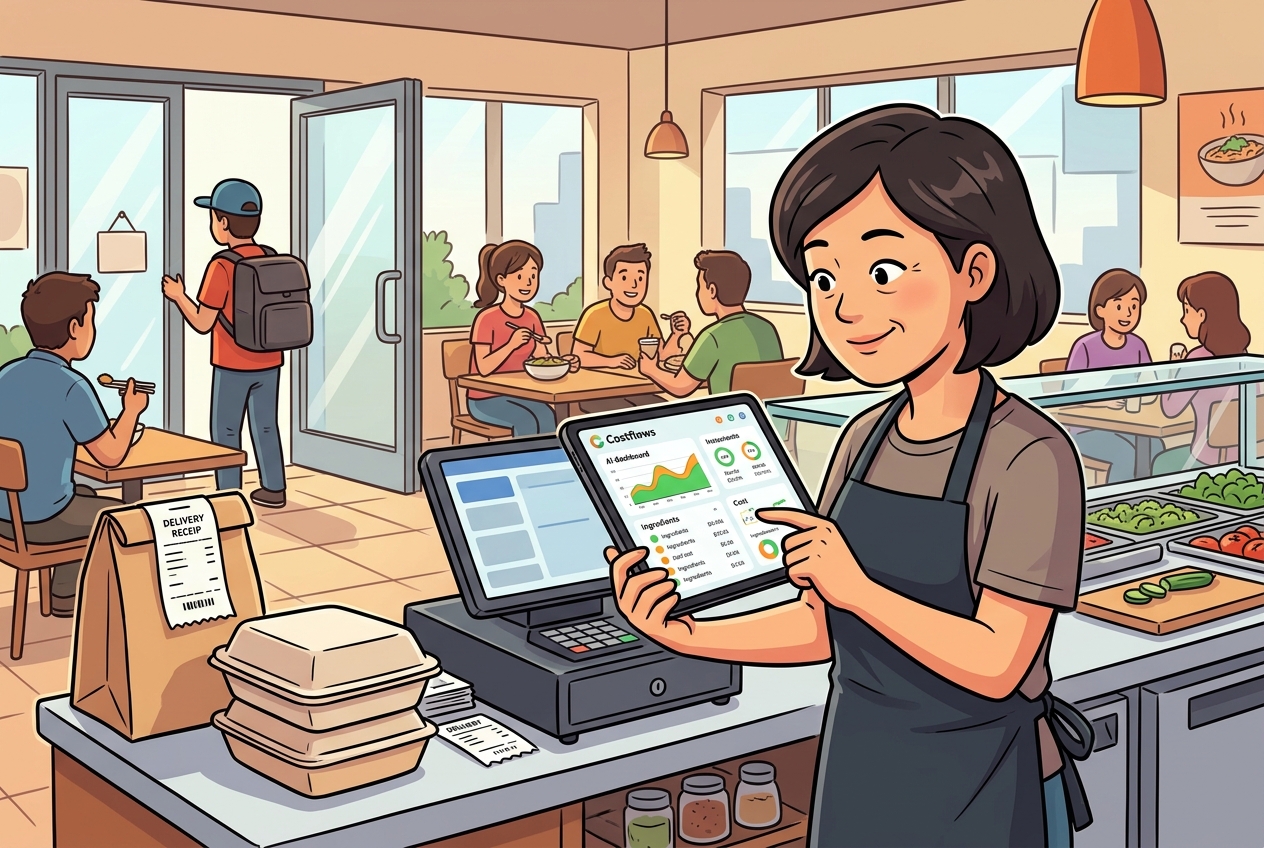
The Reality of the "Hidden" Price HikeYour supplier sends a new quote in the morning, the kitchen receives the goods as usual in the afternoon, and by the end of the month, Finance realizes your core ingredients have already jumped in price—twice. This isn't a rare occurrence; it’s a bottleneck most restaurant teams face. They want to track ingredient price volatility but still rely on WeChat screenshots, paper receipts, and manual Excel entries. The result? You don’t miss the change—you just see it far too late, after your margins have already been chipped away.
True tracking isn't about making one more price comparison sheet every week. It’s about putting procurement, receiving, inventory, consumption, and recipe costs into a single set of rules. Price fluctuations aren’t scary. What’s scary is when prices rise, specs change, or suppliers switch, but the system doesn’t reflect it in real-time. When front-of-house and back-of-house are looking at different numbers, no one can explain exactly where the profit went.
Stop Starting with Reports; Start with StandardsMany restaurants jump straight to analytics without unifying their data. One day a tomato is recorded by the "box," the next by the "kg." One supplier is labeled "Frozen Beef" this week and "Beef Shank" the next. When data is scattered across WhatsApp, handwritten notes, and different Excel versions, even the prettiest report will lead to a fuzzy conclusion.
Step one is standardization. You must ensure:
- Every ingredient has one master name.
- Units of measure and conversion rules are fixed.
- Supplier names and categories are consistent.
Only then can you tell if a price hike is a market trend, a change in packaging, or a colleague switching to a different sourcing channel. Next, set your frequency. High-volatility items like seafood and produce should be tracked daily; dry goods weekly; and packaging monthly. Don’t track everything with the same intensity—prioritize so you don't burn out your team.
Building a Functional Data ChainMonitoring prices isn't just about the purchase price; it’s about what happens next. Often, the issue isn't just "buying expensive"—it's the over-ordering, low turnover, and waste that follow a price hike. A solid data chain links procurement, receiving, warehousing, usage, and plate cost. If one link is broken, you’re only seeing a fragment of the truth.
For example, if chicken prices rise by 8% but kitchen prep waste also increases during the same period, your actual edible cost might be up by over 12%. Without automated unit conversions and real-time data, these nuances are impossible to catch manually.
The 4 Key Metrics to Watch
- Unit Purchase Price: Compare apples to apples using standardized units (per kg, per liter, etc.).
- Supplier Performance: Look for stability, not just the lowest one-time price. Who hikes prices most frequently?
- Inventory Value: If turnover is slow, old stock and new prices get mixed, leading to distorted cost reports.
- Menu Margin Impact: Which specific dishes are being dragged down by the hike? This tells you when to tweak a recipe or update a price.
Comparison vs. TrackingPrice comparison tells you who is cheaper today. Volatility tracking tells you what happened over the last 90 days and how it impacts your future. Comparison helps you buy better; tracking helps you manage better.
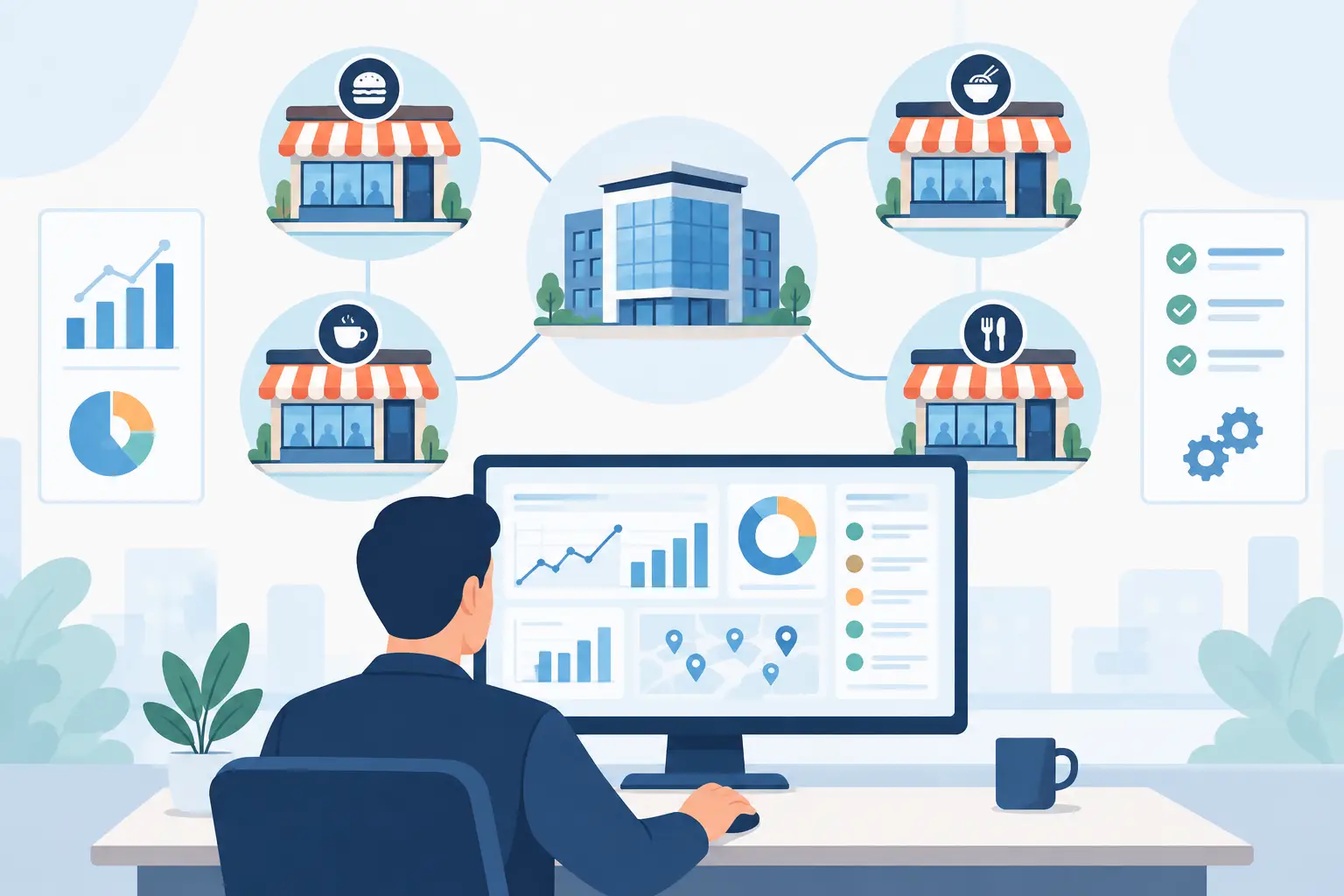
The Shift: Manual Sheets vs. Real-Time AIExcel is for organizing; it’s not for high-frequency, multi-location collaboration. By the time Finance reconciles everything at month-end, the window for decision-making has closed.
This is where Costflows changes the game. We don't just give you a new software interface; we automate the most time-consuming part: data entry. By turning every invoice and delivery note into structured data instantly, price trends and inventory shifts become visible immediately. It turns "finding out too late" into "real-time alerts."
Taking ActionSeeing the fluctuation is just the start. Once you spot a trend, you can negotiate better terms, centralize purchasing, or pivot your menu to seasonal ingredients. Restaurant profit isn't a guessing game. The sooner you solidify your tracking mechanism, the sooner you take back control of your margins.
.png)

訂閱最新消息
不要錯過任何餐飲的資訊