When your kitchen team claims a dish is "profitable" but your month-end P&L says otherwise, the problem usually isn't the recipe—it’s the disconnected data. When conducting a Recipe Costing Software Review, don't just look for a pretty interface. Look for a system that bridges the gap between procurement, invoices, inventory, production, and profit. You need a platform that flags cost deviations in real-time, not weeks later.
In the restaurant industry, recipe costing software shouldn't be a standalone tool. If it only calculates theoretical costs but fails to integrate with actual purchasing prices, wastage, and sales data, the results are useless for management. Whether you’re running multiple locations, a Central Kitchen, or a franchise, your team doesn't just need features—they need a system that executes, scales, and quantifies results.
First, Check if Your Data is Grounded
Most systems claim to "support recipe costing," but that’s just the starting line. A truly useful platform solves the "data source" problem. If your ingredient costs are still being scribbled on paper or buried in emails, Excel files, and WhatsApp chats, your cost analysis will always be outdated and error-prone.
The first benchmark for your review is document processing. Can the system use OCR to automatically capture invoices, supplier names, quantities, and prices? Can it turn a messy, hand-written delivery note into structured data? If you can't automate the data entry, your inventory and profit analysis will never be accurate.
The second benchmark is dynamic recipe management. A great system handles unit conversions, sub-recipe breakdowns, and bulk adjustments. When your beef or cooking oil prices fluctuate, does the system automatically update your dish costs and flag margin anomalies? This is vital for real-time pricing and supplier negotiations.
The Key to Management: Don’t Just Calculate, Control
1. Data Capture Determines Your Foundation
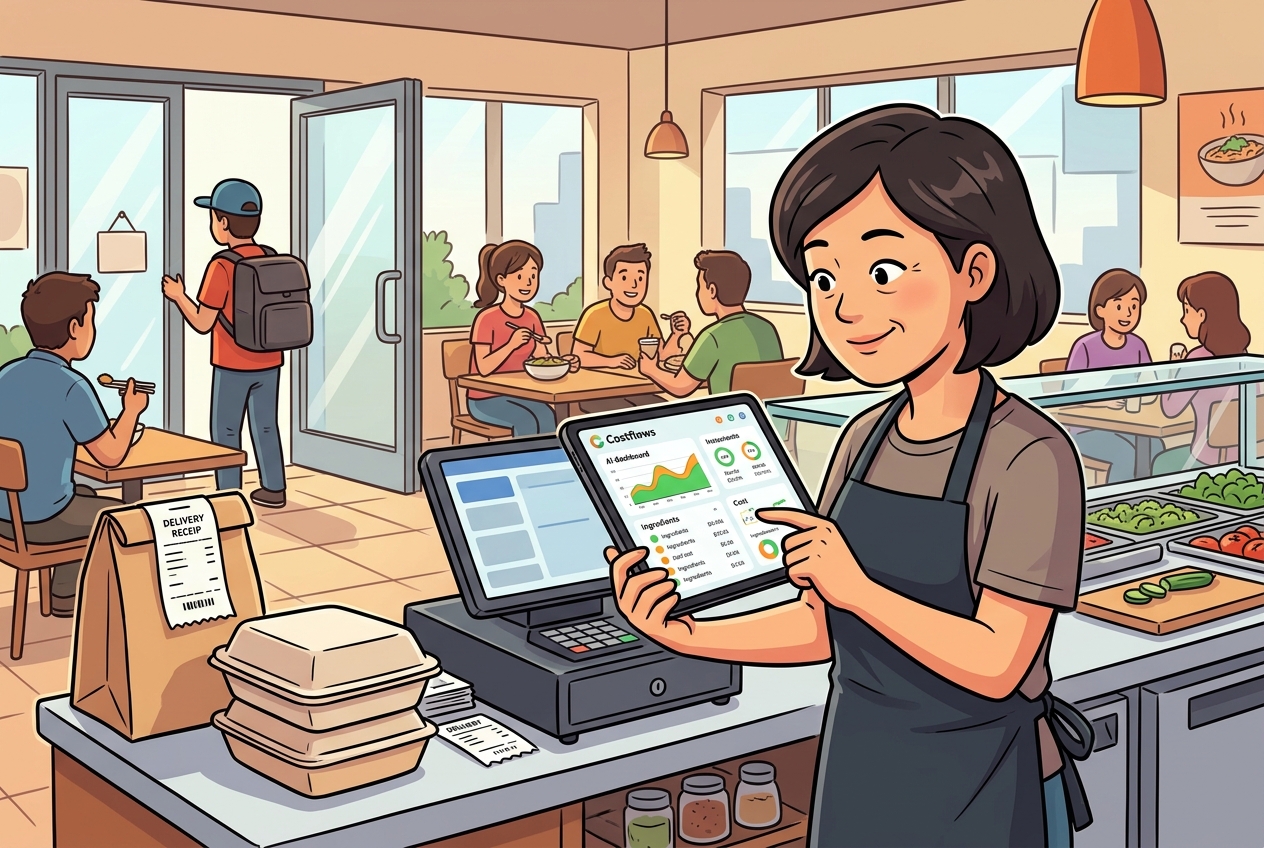
Restaurant teams shouldn't be wasting hours on manual data entry at the end of a shift. A solid system moves data capture to the point of origin. Using a mobile app to snap and verify receipts ensures your procurement data hits the system the moment it arrives.
2. Recipe Costing Must Reflect Reality
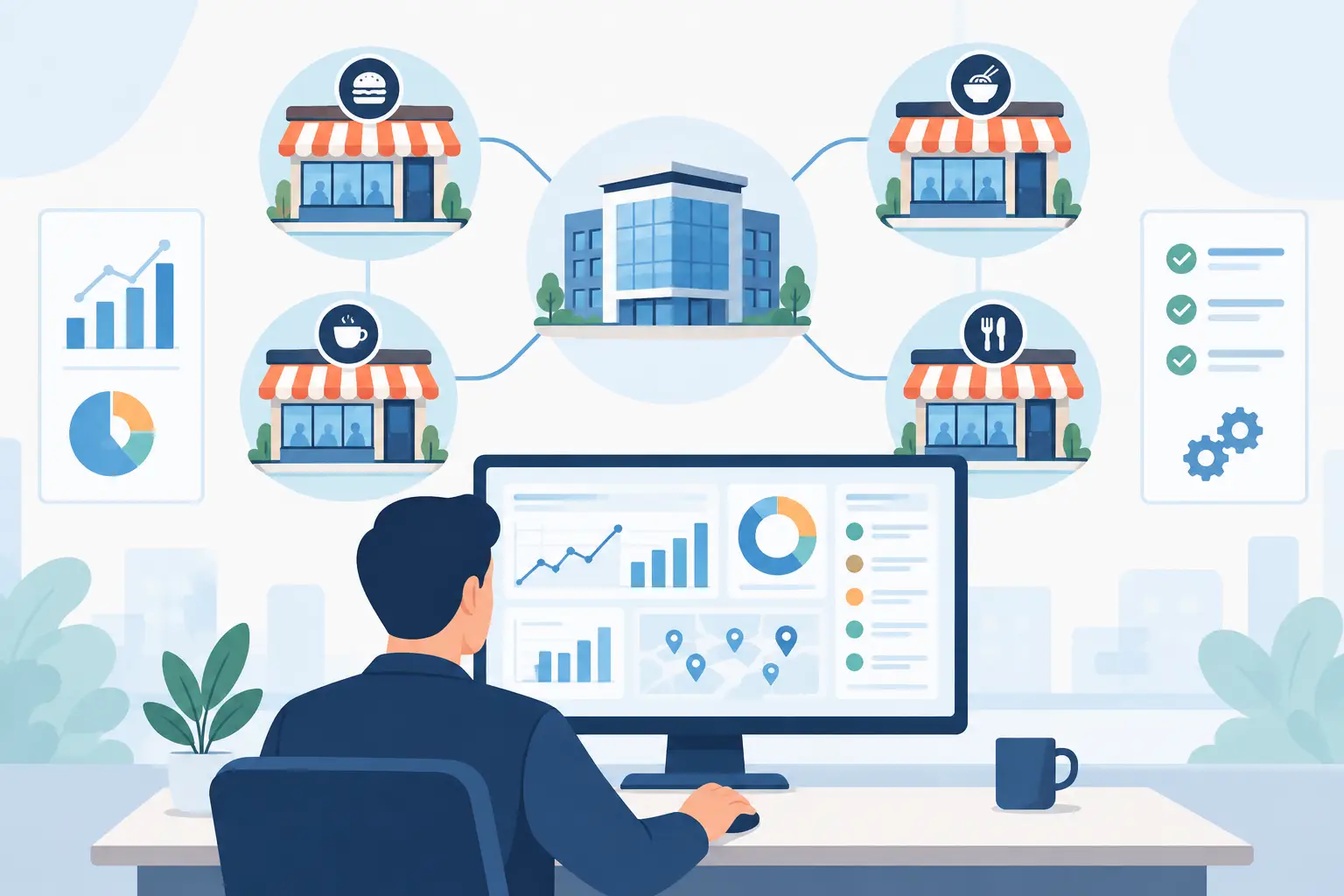
Many restaurants fail because their recipes live in the chef's head or theoretical PDFs. Your software needs to handle net-to-gross yields, prep logs, and pre-production batches. For groups with central kitchens, the system must track flow and share costs accurately across multiple outlets.
3. Inventory Linkage Identifies the Leaks
If your recipe costing and inventory are two separate worlds, you'll always have theoretical margins that look great but cash flow that doesn't. You need to link your purchasing, stock levels, waste logs, and POS sales to see exactly how much you sold versus how much you actually used.
Integration is Non-Negotiable
If your costs are siloed, you’re missing the big picture. POS integration is a must—every time a dish is sold, the system should automatically deduct theoretical stock and update your product mix. Likewise, your accounting system should receive your invoice and expense data seamlessly. This creates a daily P&L overview so management doesn't have to wait for the month-end to see if they're in the black.
Don't Buy Features; Buy Execution
Marketplace software often shows off a long list of modules, but what matters is "ease of execution." Can your store managers perform stock takes on their phones? Is the permission structure clear enough to prevent unauthorized changes? Also, look at Vendor Management. Can you analyze price volatility and vendor reliability? This moves you from a passive price-taker to a data-driven negotiator.
The Bottom Line
Buying software isn't about digitizing Excel sheets; it's about reducing manual labor and tightening your margins. A platform like Costflows isn't just "AI"—it’s a standardized workflow that pushes data from the back door all the way to the P&L.
If you’re currently vetting software, don't just ask what it shows. Ask how it serves your team. Does it save them time? Does it turn yesterday’s fuzzy guesses into today’s actionable data? Restaurants have thin margins—your management tool should be working as hard as you are to protect them.
.png)

訂閱最新消息
不要錯過任何餐飲的資訊