Facing persistent labor shortages and rising food prices, more restaurant operators are leaving messy chat groups and paper slips behind to adopt digital ordering systems.
Yet even after making the switch, many operators ask the same questions at the end of the month:
“We digitized our ordering, so why still can't we see the exact margin on each dish?”
“Sales are up, so where is our profit leaking?”
Does switching to an ordering system actually reveal your true costs and unlock higher profits? Let’s look at the operational reality of restaurant cost structures—and where simple ordering tools end and complete back-of-house cost management begins.
1. Can an Ordering System (Like CocoMart) Really Find Your Restaurant's Costs?
The short answer: It can accurately track your purchasing spend and admin time, but it cannot track your actual plate costs or kitchen waste.
Platforms like CocoMart deliver clear value when it comes to front-end procurement:
- Real-time spend transparency: No more waiting for supplier statements at month-end to realize you went over budget.
- Fewer ordering mistakes: Standardized order sheets prevent costly miscommunications on package sizes or product specs.
- Less admin busywork: Managers save 20 to 30 minutes a day by ditching scattered chat messages and manual tallying.
🚨 The Built-In Blind Spot of Pure Ordering Tools:
CocoMart explicitly notes that its platform focuses strictly on the ordering workflow and does not include inventory management.
In restaurant operations, Purchasing Spend
≠= Cost of Goods Sold (COGS):
- Buying 10 kg of beef doesn’t mean selling 10 kg of beef: Ordering tools can't track trimming loss, heavy-handed portioning, or prep spoilage in the kitchen.
- No dynamic recipe linkage (BOM): When supplier prices jump, an ordering app can flag that butter is more expensive, but it can’t tell you that your signature pasta’s margin just dropped by 6%.
2. Where Is the Profit Actually Hidden? Two Different Angles
Every software investment should ultimately protect your bottom line. But tools approach "finding profit" from very different angles:
CocoMart: Looking Outward for Vendor Comparison & Purchasing Savings
CocoMart connects restaurants with an open supplier marketplace. Operators can compare prices, switch to more competitive vendors, or leverage group volume for better terms. Its profit-saving focus is on paying less at the point of purchase.
Costflows: Looking Inward at Recipe Margins & Kitchen Leaks
Buying cheaper ingredients won’t save your business if the kitchen wastes them or dishes are underpriced. Costflows focuses on maximizing the net profit generated by every ingredient you purchase:
- Spotting "Fake Stars" (Menu Engineering): By connecting procurement data directly with your POS sales, Costflows spots high-volume dishes whose margins are secretly being eaten alive by inflation, helping you adjust recipes, portions, or prices.
- Closing the Internal Waste Gap (Theoretical vs. Actual): By comparing what you bought against what your POS says you sold, Costflows immediately catches prep waste, portion creep, and unaccounted shrinkage.
3. Why Costflows Is the Smarter Choice for Maximizing Margins
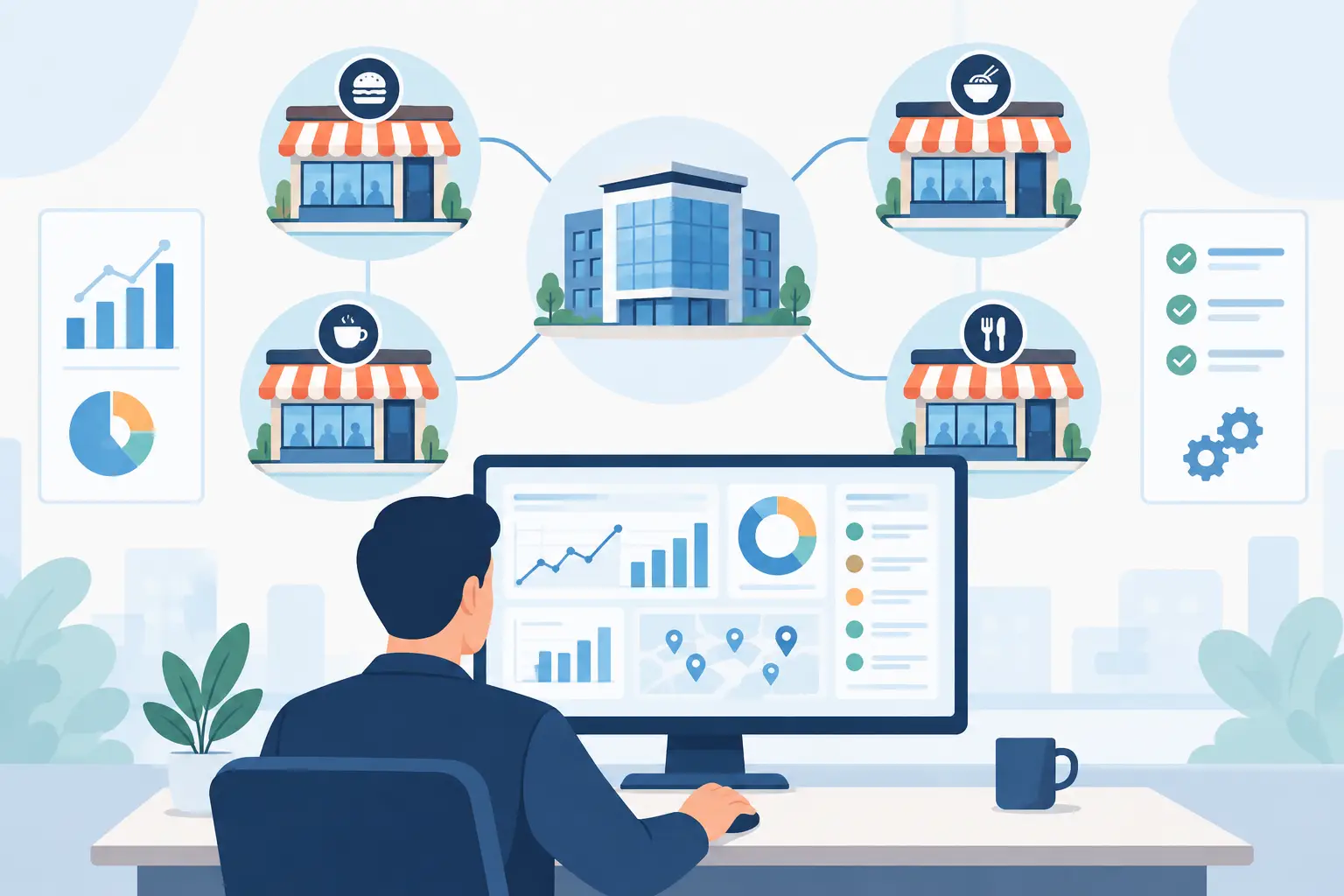
For growing restaurants, multi-unit brands, and operators serious about margin control, Costflows acts as an intelligent back-of-house profit engine rather than just an ordering pad:
Fea
The Real-World Advantage: Zero Vendor Friction
The biggest hurdle with ordering apps is getting traditional vegetable, meat, or seafood vendors to change their routines. When vendors refuse to download an app, your digital workflow breaks.
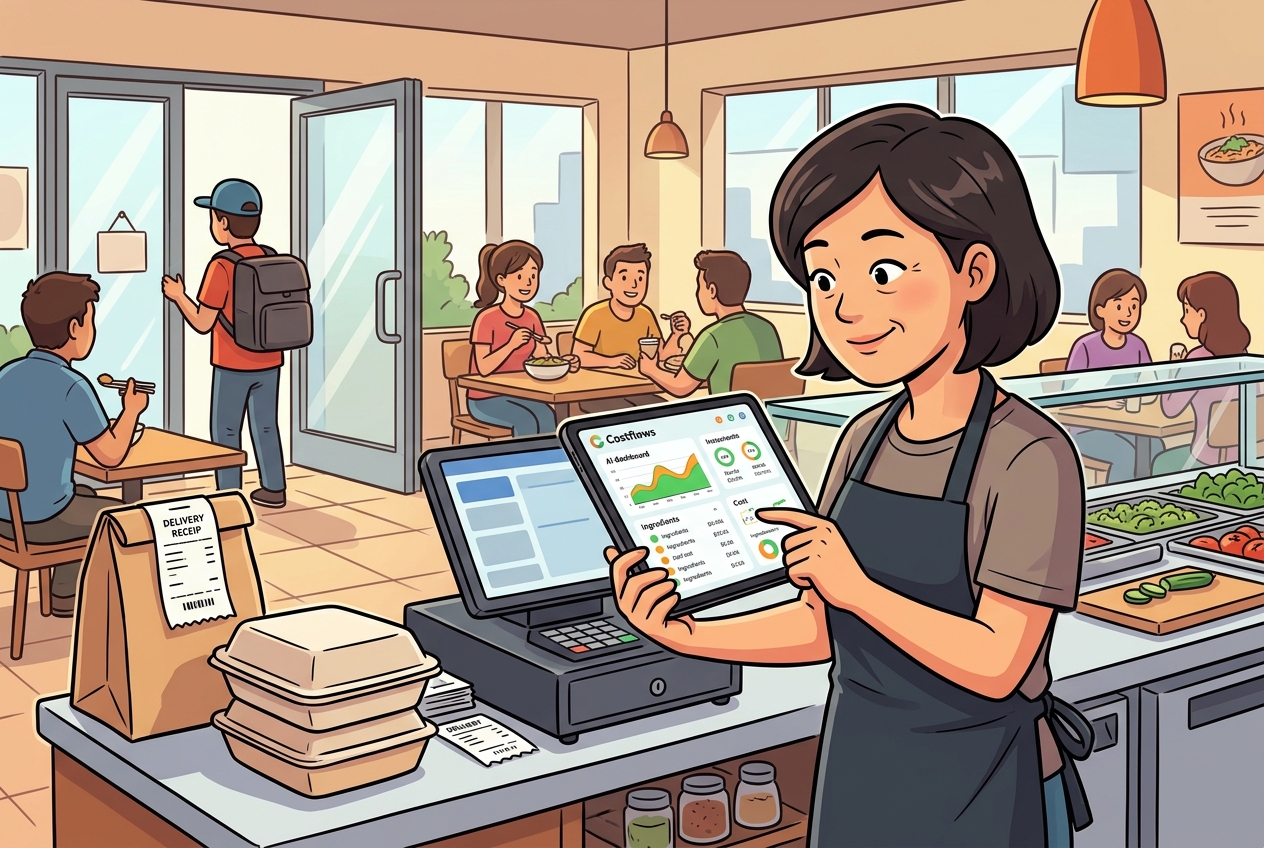
Costflows eliminates this barrier with AI OCR. Your suppliers can keep using their handwritten delivery slips or paper receipts. Your team simply snaps a photo, and the AI digitizes line items, prices, and quantities automatically—getting you straight to margin analysis with zero onboarding friction.
4. The Bottom Line: Ordering Stops the Bleeding; Cost Management Unlocks the Profit
Adopting an ordering tool is a helpful first step to clean up messy communications and save managerial hours. But if your goal is to understand your true unit economics and defend margins in a tight economy, tracking purchase orders alone isn’t enough.
From invoice processing and dynamic recipe costing to POS integration and waste tracking, Costflows removes the guesswork. It turns raw purchasing data into actionable profit insights—keeping hard-earned cash right where it belongs.
💡 Frequently Asked Questions (FAQ)


訂閱最新消息
不要錯過任何餐飲的資訊